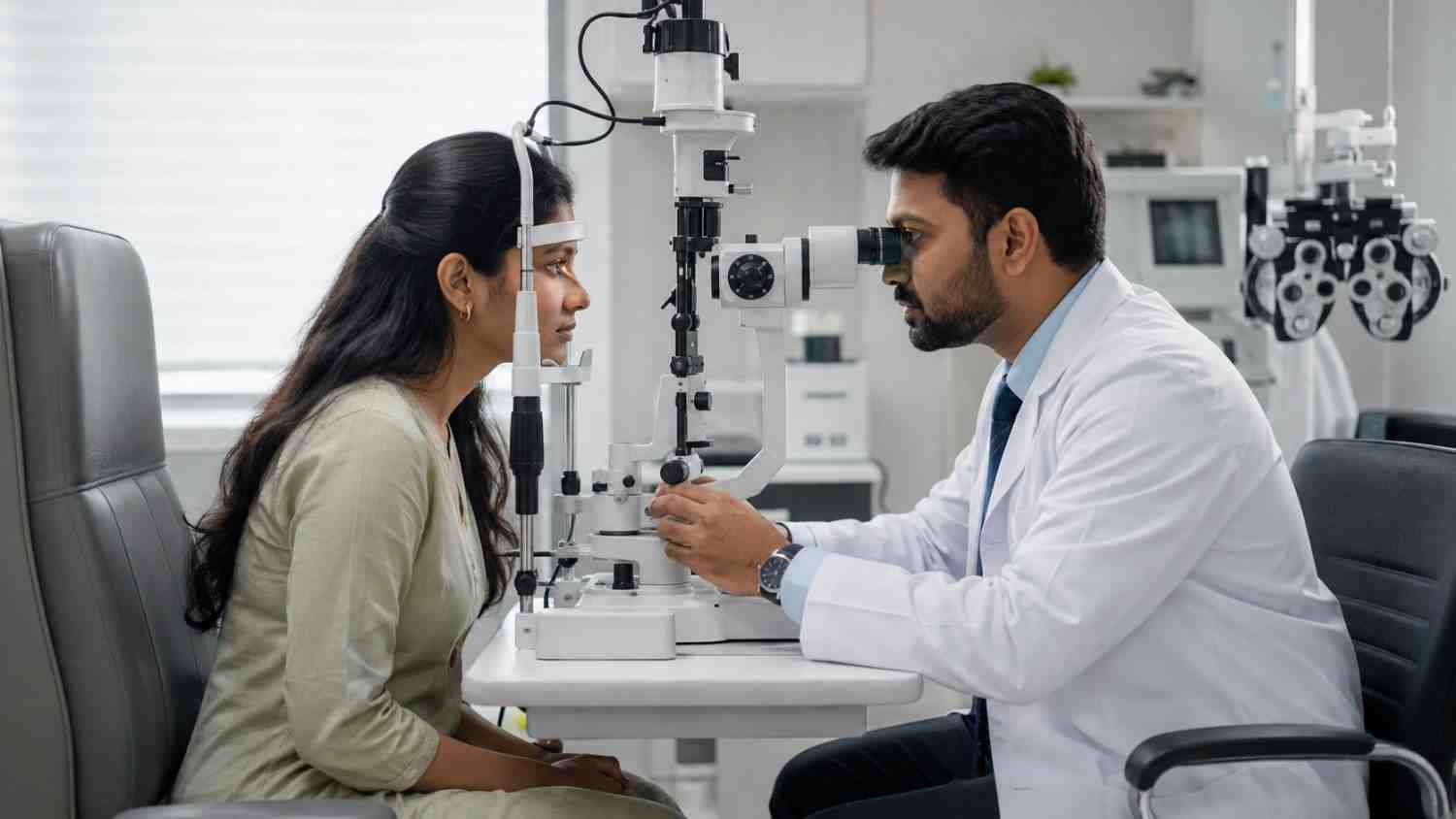
Protect your vision with expert eye care
Good vision plays an important role in independence, learning, work and everyday quality of life. At Preetham Hospitals, our Ophthalmology team provides comprehensive evaluation, diagnosis and treatment for a wide range of eye conditions affecting children and adults.
From cataract and glaucoma to retinal, corneal and vision-related disorders, our specialists use appropriate clinical assessment and modern diagnostic approaches to develop personalized treatment plans. Our focus is on early detection, timely treatment and long-term protection of vision.
Why patients choose our ophthalmology care
Comprehensive Eye Care
Evaluation and treatment for common and complex eye conditions affecting vision and overall eye health.
Detailed Eye Assessment
Appropriate eye examinations and diagnostic evaluation help identify vision problems and underlying eye conditions.
Specialist-Led Treatment
Treatment is planned according to the patient's eye condition, visual needs, age and individual clinical requirements.
Vision-Focused Recovery
Follow-up care and personalized guidance support healing, vision monitoring and long-term eye health.
Eye Examination
Our ophthalmology team reviews your symptoms, medical history and vision concerns through a detailed eye examination.
Diagnosis & Planning
Appropriate diagnostic evaluation is used to understand the eye condition and determine the most suitable treatment approach.
Treatment
Depending on the condition, treatment may include medication, corrective procedures, laser-based treatment or surgery when clinically appropriate.
Recovery & Follow-Up
Regular follow-up and post-treatment guidance help monitor healing, visual function and long-term eye health.
When should I see an ophthalmologist?
You should consider an eye examination if you have blurred vision, eye pain, persistent redness, flashes or floaters, difficulty seeing at night, headaches related to vision or any sudden change in eyesight.
What eye conditions are commonly treated?
Ophthalmology care may include conditions such as cataract, glaucoma, refractive problems, corneal disorders, retinal conditions, eye infections and other diseases affecting vision and eye health.
What are common symptoms of cataract?
Cataracts may cause gradually blurred or cloudy vision, increased sensitivity to light, difficulty seeing at night, faded colours or frequent changes in spectacle prescription. An ophthalmologist can assess whether treatment is required.
How often should I have an eye examination?
The appropriate frequency depends on your age, general health, eye history and risk factors. Patients with existing eye conditions may require more frequent monitoring as advised by their ophthalmologist.